Chemlambda for the people
(no js version)

We can program a computer to do anything.
What if we had the same power over the molecules of our bodies?
Let's imagine how this could change our lives.
"still he'd see the matrix in his sleep, bright lattices of logic unfolding across that colorless void"
William Gibson, Neuromancer
"like making lists, just, fold up inside themselves. Come out the other way around. Crazy things."
Pseudo -- William Gibson
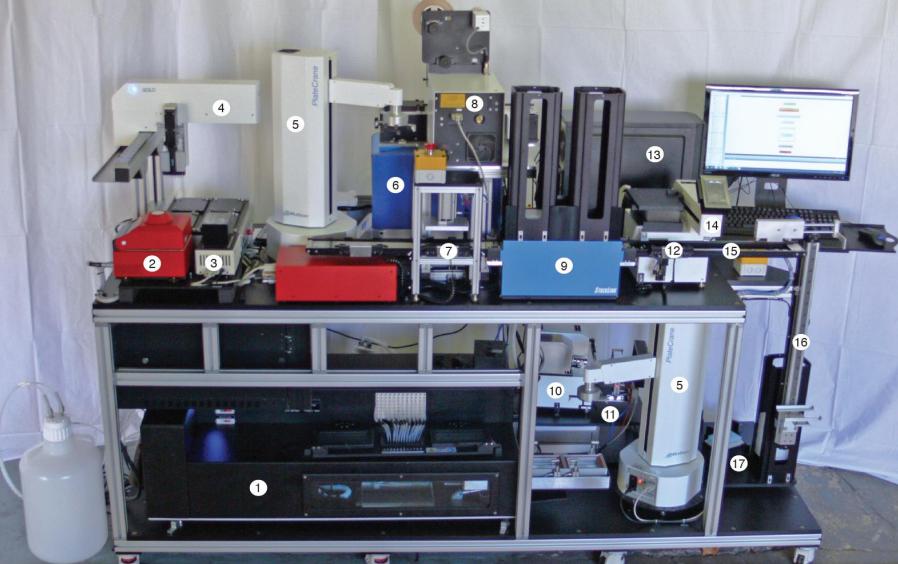
digital chemistry
to biological chemistry
and back
chemlambda
to biological chemistry
and back
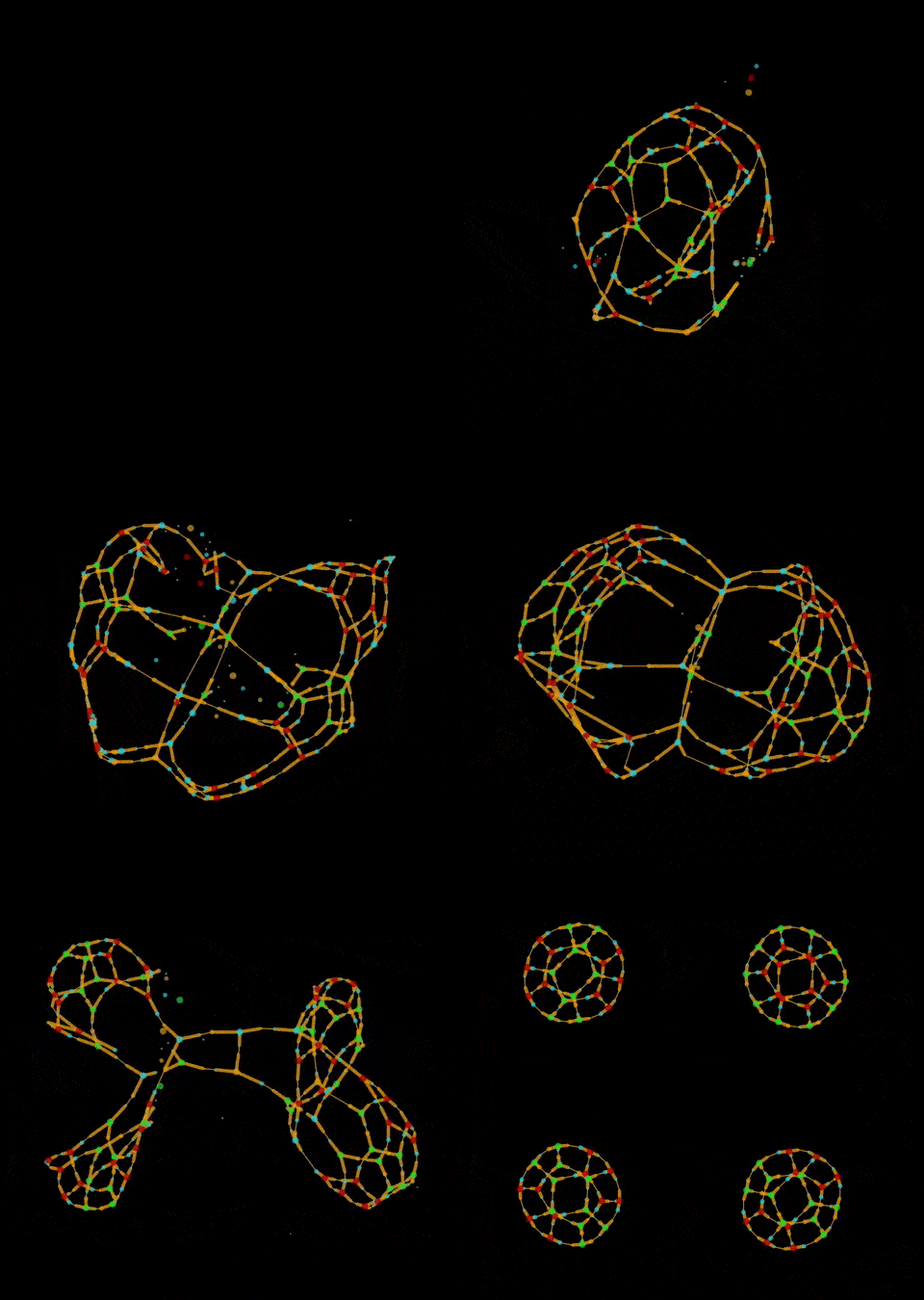
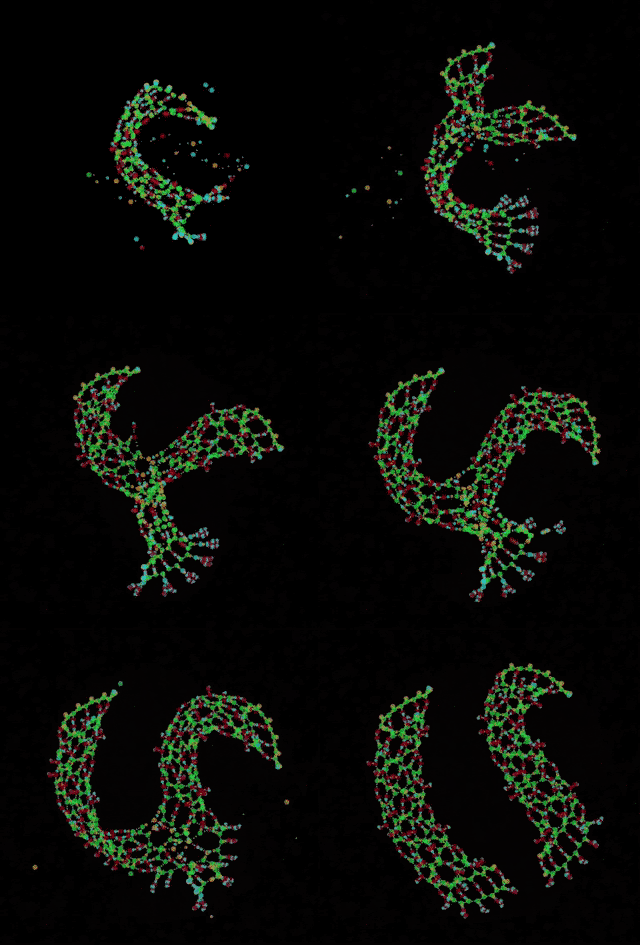
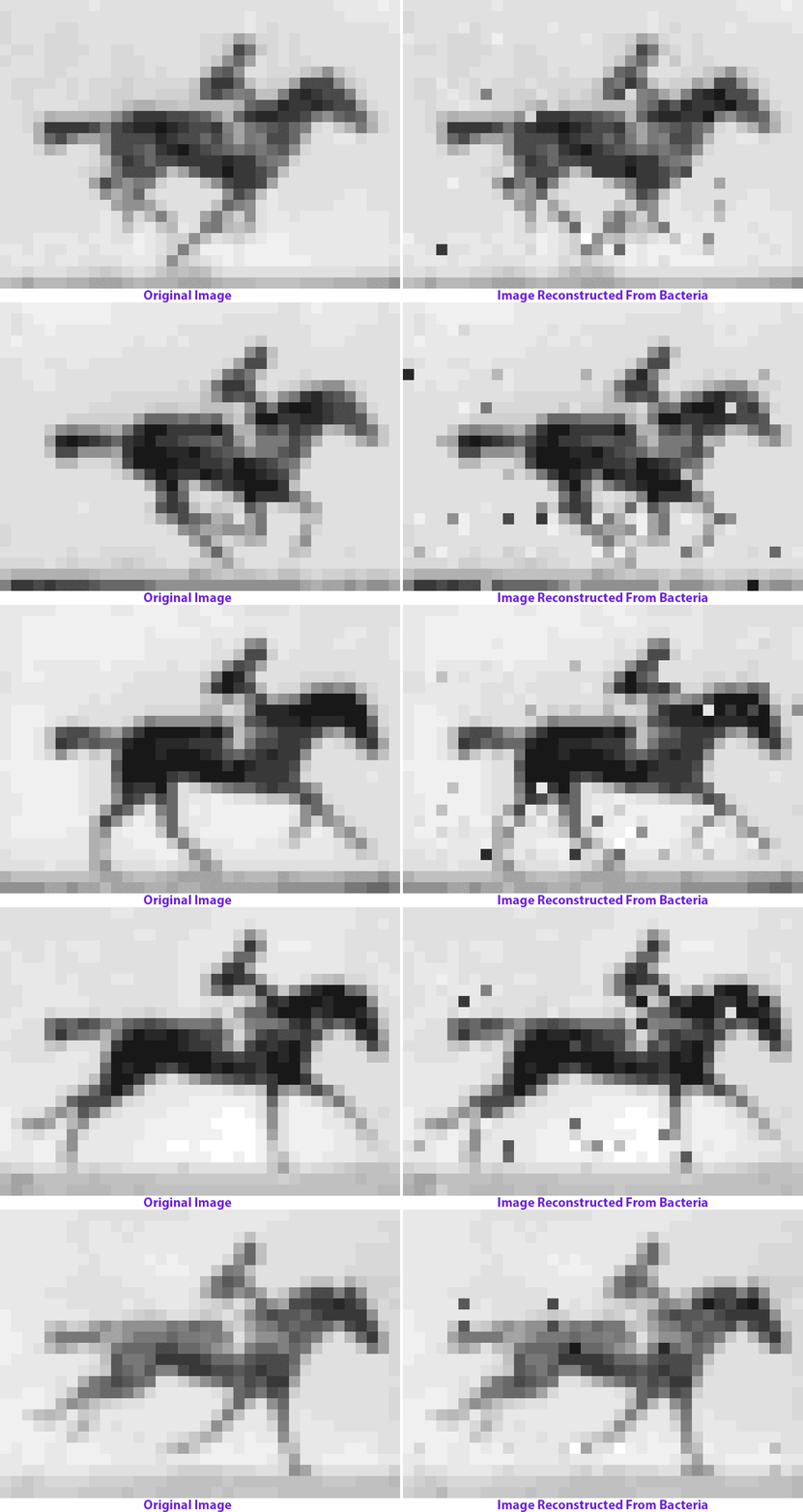
digital chemistry
to biological chemistry?
and back
Notes:
 . For more about the chemlambda project read about it's history in arXiv:2007.10288.
 and the newer Alife properties of directed interaction combinators vs. chemlambda. Therefore I am, on one side, relieved that I was not the first to think about applications of computer science graph rewriting into real chemistry, and on the other side happy that there is some novelty in the chemlambda proposal, in the sense that biological life may be one day understood as a random, asemantical, local graph rewriting process.
Continue to chemlambda projects page